
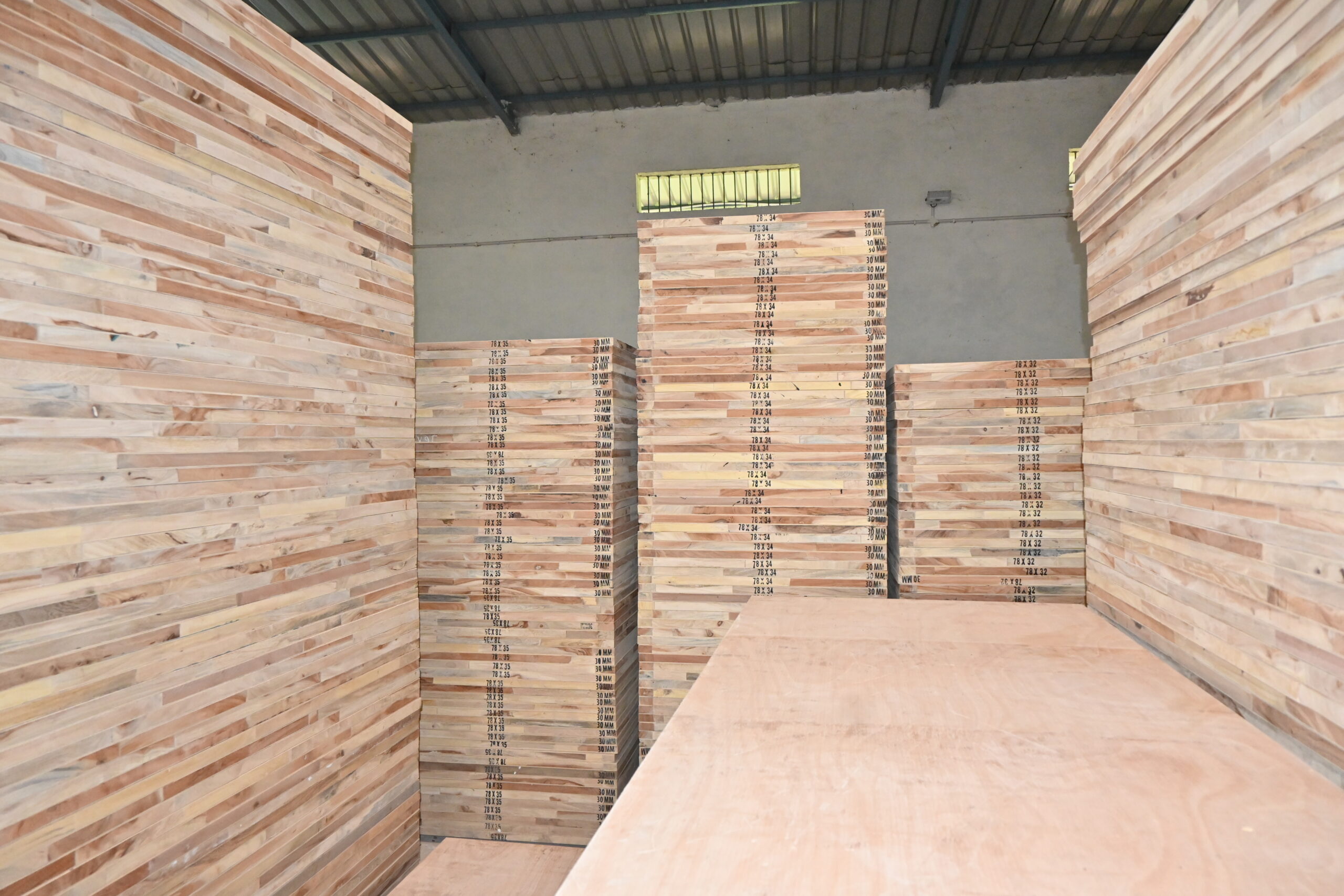

Plywood has become one of the most trusted and versatile materials in the furniture industry, and for good reason. Unlike solid wood, which can be expensive and prone to warping, plywood offers strength, stability, and affordability in one package. It is made by gluing together multiple thin layers of wood veneer, with each layer’s grain running in alternating directions. This cross-grain structure gives plywood exceptional durability and resistance to bending or cracking. Whether you’re designing a modern modular kitchen, sturdy wardrobes, or office furniture, plywood adapts beautifully to different styles and uses. Its smooth surface allows for easy finishing, polishing, or laminating to achieve the look you want. For homeowners and carpenters alike, it’s a material that provides both practical and aesthetic benefits. The best part is, quality plywood can last for decades if properly maintained, making it a true long-term investment. It is also widely available in different grades and thicknesses to suit various applications.
One of the primary reasons plywood is so popular is its exceptional strength and durability. The layered construction distributes stress evenly, making it much stronger than ordinary wood boards. This means furniture made from plywood can withstand daily use without losing its shape or stability. Even heavy items like large dining tables, double beds, or storage units can be made with plywood without worrying about sagging. The material also resists splitting when nails or screws are inserted, making it easier for carpenters to work with. Unlike particle boards or MDF, plywood does not crumble easily under pressure. This durability ensures that your furniture stays functional and attractive for many years, even with heavy usage in homes, offices, or commercial spaces.
Another advantage of plywood is its resistance to warping and shrinking. Solid wood furniture often expands or contracts depending on temperature and humidity changes, leading to cracks or uneven surfaces. Plywood, on the other hand, maintains its shape because of its cross-grain construction, which balances out the natural movement of wood fibers. This makes it ideal for furniture in areas with varying weather conditions, such as coastal regions or humid cities. For example, kitchen cabinets made of plywood will remain stable even in the presence of steam and moisture. This resistance to warping also means less maintenance and fewer repairs over time, saving you money in the long run.
Plywood also stands out for its cost-effectiveness. While it offers many of the advantages of solid wood, it is generally more affordable. This allows homeowners to achieve a premium look without stretching their budget too much. Additionally, because plywood comes in large sheets, there’s less waste during cutting and fabrication, which further reduces costs for carpenters and customers. For people furnishing an entire home, choosing plywood can mean significant savings while still ensuring quality. In the long run, the cost-to-benefit ratio of plywood makes it one of the smartest choices for furniture making.
When it comes to versatility in design, plywood truly excels. It can be easily cut, shaped, and bent to create unique furniture designs that might be difficult or expensive to achieve with solid wood. Whether you want sleek, modern cabinets or intricate, curved furniture pieces, plywood can handle it. Its smooth surface also makes it compatible with different finishes like veneers, laminates, or paints, allowing you to match your furniture perfectly with your home’s interior. This flexibility in design means you don’t have to compromise on style while staying within your budget.
Plywood is also known for being lightweight yet strong, which makes it perfect for furniture that needs to be moved often. For example, modular furniture pieces, foldable tables, and storage units made from plywood are easier to handle without sacrificing strength. This makes plywood an excellent option for renters or people who like rearranging their interiors frequently. Despite being lighter than solid wood, plywood retains its structural integrity, meaning your furniture will still be reliable and long-lasting.
Lastly, plywood is considered a more eco-friendly choice compared to many other engineered woods. It uses less solid timber per sheet, which helps conserve natural resources. Many plywood manufacturers also source their wood from sustainable forests and use low-emission adhesives, making it safer for indoor air quality. By choosing plywood, you’re not just making a cost-effective and stylish choice—you’re also making an environmentally responsible one. In today’s world, where sustainability is becoming increasingly important, plywood offers a way to furnish your home without harming the planet.
Comments ( 1 )
Comments are closed.
Cras semper auctor neque vitae tempus quam pellentesque. Amet porttitor eget dolor morbi non. Dignissim cras tincidunt lobortis feugiat. Sit amet mattis vulputate enim nulla aliquet porttitor. Cras semper auctor neque vitae tempus quam pellentesque nec.